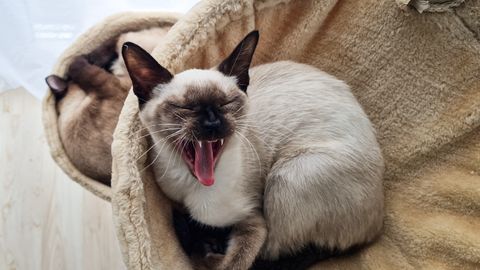
Why Two Pets Sometimes Grieve Harder Than Their Owners
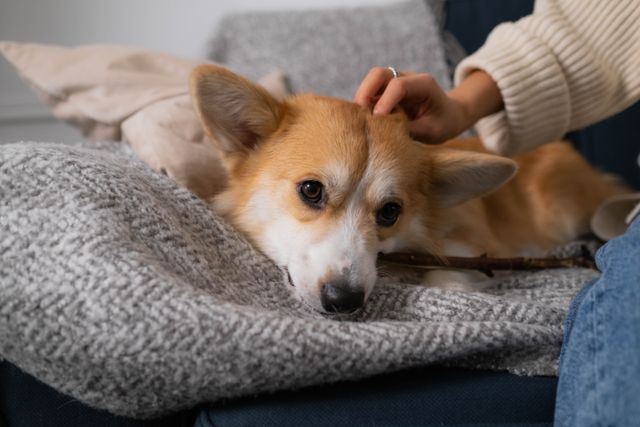
- Animals can mourn companions through changes in appetite
- sleep
- vocalization
- and activity levels.
Why Two Pets Sometimes Grieve Harder Than Their Owners
When a beloved pet passes away, most people naturally focus on the grief experienced by family members. The empty bed, the silent greeting at the door, and the absence of familiar routines can leave a profound emotional void. Yet in many multi-pet households, another grieving family member often goes unnoticed: the surviving pet.
Veterinarians and animal behaviorists have long observed that animals can exhibit significant behavioral and emotional changes after the loss of a companion. In some cases, the surviving pet appears to struggle even more visibly than the human members of the household. While people have social networks, language, and coping mechanisms to process loss, pets often experience grief in ways that are less understood but no less real.
The bond between companion animals can be remarkably deep. Dogs that live together often eat, sleep, play, and explore their environment side by side. Cats sharing a home may groom one another, rest in close proximity, and establish daily routines that revolve around each other's presence. Over months or years, these interactions become an essential part of their lives. When one pet suddenly disappears, the surviving animal may not fully understand what has happened, but it recognizes that something important is missing.
Unlike humans, animals cannot seek explanations or discuss their emotions. They rely heavily on consistency and routine to make sense of the world around them. The disappearance of a companion disrupts those routines in a way that can create confusion, anxiety, and distress. A dog that once played daily with another dog may spend weeks searching rooms or waiting by doors. A cat may wander the house vocalizing more frequently, seemingly looking for its missing companion.
Researchers studying animal behavior have documented numerous signs associated with pet grief. These can include decreased appetite, increased sleeping, changes in vocalization, reduced interest in play, clinginess toward owners, withdrawal from social interaction, and even signs of depression. Some animals become restless and anxious, while others appear unusually quiet and subdued.
What makes pet grief particularly challenging is that surviving animals are often affected by two losses simultaneously. They not only lose their companion but may also sense the emotional distress of their human family. Pets are highly attuned to human emotions and routines. When owners are grieving, daily schedules may change, energy levels may drop, and interactions may become less predictable. As a result, the surviving pet must adapt to both the absence of its companion and a household environment that suddenly feels different.
In some situations, the relationship between two pets may be stronger than owners realize. Humans spend portions of the day at work, school, or social activities, but companion animals often spend nearly every moment together. They share experiences continuously, forming bonds through thousands of daily interactions. The surviving pet may therefore lose its primary social partner, making the impact especially significant.
This does not mean pets experience grief exactly as humans do. Scientists remain cautious about attributing human emotions directly to animals. However, growing evidence suggests that many species form meaningful social attachments and can suffer when those attachments are broken. Whether we call it grief, mourning, or separation distress, the behavioral changes are real and observable.
Helping a grieving pet requires patience and understanding. Maintaining familiar routines can provide comfort during a confusing time. Extra attention, gentle play sessions, mental enrichment, and opportunities for exercise may help ease the transition. It is also important to monitor physical health, as prolonged appetite loss or dramatic behavioral changes may require veterinary evaluation.
Some owners consider introducing another pet immediately after a loss, hoping to fill the emotional gap. While this can be beneficial in certain circumstances, it is not always the best solution. Each animal has unique needs, and both the pet and owner may require time to adjust before welcoming a new companion into the home.
The loss of a pet affects the entire family, including the animals that remain behind. Their grief may look different from ours, but it is often deeply rooted in disrupted bonds, missing routines, and the sudden absence of a familiar friend. By recognizing these signs and offering support, owners can help surviving pets navigate one of the most difficult transitions they may ever face.
The next time a household loses a beloved animal companion, it is worth remembering that the quiet dog lying by the door or the cat searching empty rooms may be mourning too. In some cases, their grief can appear even more intense than our own—not because they loved more, but because they have fewer ways to understand and cope with the loss.
Frequently Asked Questions
Why does my dog hide after doing something wrong?
Dogs often hide because they anticipate your reaction, not because they understand wrongdoing.
Why does my dog watch me while I sleep?
Dogs often watch sleeping owners because they are bonded, protective, or curious.
Sources
- Veterinary grief studies
- animal welfare organizations
- pet bereavement research