Your Pet Knows When You're Sick Before You Do
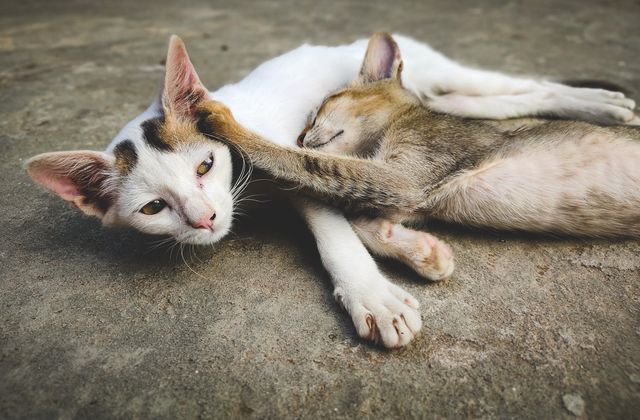
- Pets may notice health changes before people do because they rely heavily on scent and behavioral patterns.
# Dog Tail Wagging Decoded: What Every Movement Means
A wagging tail is one of the most recognizable behaviors in the canine world. For many people, it is a simple sign that a dog is happy and friendly. However, dog behavior experts know that tail wagging is far more complex than a universal expression of joy. In reality, a dog's tail functions as an important communication tool, conveying a wide range of emotions, intentions, and reactions.
Understanding what a dog's tail is saying requires more than simply noticing whether it is moving. The height of the tail, the speed of the wag, the direction of movement, and the overall body posture all contribute to the message. Learning to interpret these signals can help owners better understand their dogs and avoid misunderstandings that may lead to stressful or even dangerous situations.
One of the most common misconceptions is that a wagging tail always indicates happiness. While many happy dogs do wag their tails, wagging simply means the dog is emotionally aroused or engaged with something in its environment. The emotion behind that arousal can be positive, negative, or somewhere in between.
A broad, relaxed wag that sweeps from side to side is often associated with a friendly and comfortable dog. When the tail movement is loose and accompanied by relaxed muscles, soft eyes, and a wiggling body, the dog is generally expressing excitement, affection, or pleasure. This is the classic greeting many owners receive when returning home after a long day.
The speed of the wag can provide additional clues. Slow tail movements often indicate uncertainty or cautious curiosity. A dog encountering a new person or unfamiliar object may wag slowly while assessing the situation. The dog is engaged but has not yet decided whether the experience is positive or potentially concerning.
Fast wagging usually reflects higher emotional intensity. This can occur when a dog is excited about playtime, anticipating a walk, or greeting a beloved family member. However, rapid wagging does not automatically mean friendliness. A highly aroused dog experiencing frustration, anxiety, or agitation may also display fast tail movements. Context becomes critical when interpreting the signal.
Tail height is another valuable piece of the puzzle. A tail held high often indicates confidence, alertness, or strong interest in something nearby. In some situations, it can also signal dominance or assertiveness. When a dog carries its tail high and stiff while focusing intently on another animal or person, it may be communicating a willingness to challenge or control the interaction.
A tail carried at a natural, neutral position generally suggests a relaxed emotional state. The dog feels comfortable and has no immediate concerns. Because tail carriage varies between breeds, owners should learn what neutral looks like for their individual dog rather than relying on a universal standard.
A low tail position frequently signals uncertainty, nervousness, or submission. When the tail drops lower than usual, the dog may be feeling uncomfortable or cautious. If the tail becomes tightly tucked between the legs, the dog is often experiencing fear, anxiety, or significant stress. This posture is commonly seen during thunderstorms, fireworks, veterinary visits, or other situations that overwhelm a dog's sense of security.
Recent scientific research has revealed that the direction of a tail wag may carry emotional meaning as well. Dogs often wag slightly more toward the right side of their bodies when experiencing positive emotions, such as seeing a familiar owner. In contrast, left-biased wagging has been associated with more cautious or uncertain emotional states. While these differences can be subtle for humans to detect, studies suggest that other dogs may be able to interpret them naturally.
The shape and stiffness of the wag are equally important. A loose, flowing tail movement usually indicates relaxation and confidence. A stiff wag, particularly when paired with a rigid body posture, can signal tension or heightened arousal. Many people mistakenly interpret a stiff wag as friendliness when it may actually be a warning sign that the dog is uncomfortable.
Observing the entire body remains essential. Tail movements should never be interpreted in isolation. A wagging tail accompanied by relaxed ears, a soft facial expression, and playful body language communicates something very different from a wagging tail paired with hard staring, raised hackles, and a stiff posture. The latter combination may indicate that the dog is feeling threatened or preparing to react defensively.
Dogs have developed this sophisticated communication system over thousands of years, allowing them to interact effectively with both other dogs and humans. Their tails serve as visual signals that help convey information quickly and efficiently. By paying attention to these signals, owners can gain valuable insights into how their dogs feel in different situations.
The next time your dog wags its tail, look beyond the movement itself. Notice the speed, height, direction, and overall body language. What seems like a simple wag may actually be a detailed message about confidence, excitement, uncertainty, curiosity, or affection.
A dog's tail is more than a moving appendage. It is a window into the animal's emotional world. Learning to read that language can deepen the bond between dogs and their owners while fostering safer and more meaningful interactions every day.
Frequently Asked Questions
Why does my cat sit on my bed and watch me sleep?
Cats often feel safest near trusted people and enjoy observing their surroundings.
Sources
- Veterinary medicine research
- canine scent detection studies
- animal behavior experts
- pet health research