Why Dogs Circle Before Sleeping
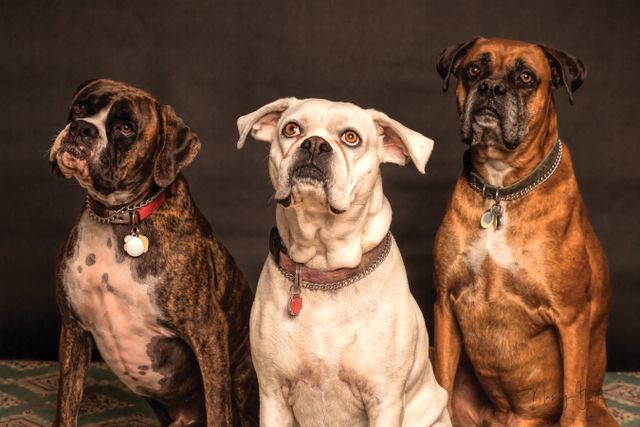
- Circling before sleep is normal canine behavior rooted in survival instincts and comfort-seeking habits.
# Why Dogs Circle Before Sleeping
A Curious Behavior Nearly Every Dog Shares
If you have ever watched your dog prepare for a nap, you've probably noticed a familiar routine. Before lying down, many dogs walk in circles, sometimes once or twice, and other times several times before finally settling into a comfortable position.
This behavior may seem strange to modern pet owners, especially when dogs are sleeping on soft beds, couches, or carpets. Yet despite thousands of years of domestication, this habit remains surprisingly common.
The reason dogs circle before sleeping is rooted in their evolutionary history. What appears to be an odd bedtime ritual is actually connected to instincts inherited from their wild ancestors.
The simple act of circling before sleep is believed to be one of the oldest behaviors that domestic dogs still share with wolves.
Understanding this behavior can provide valuable insight into how dogs think and why some ancient instincts continue to survive in modern homes.
The Wild Origins of Circling
Creating a Safe Sleeping Area
Long before dogs became household pets, their ancestors slept outdoors. Unlike modern dogs with comfortable beds, wild canines had to create their own resting places.
Circling helped them:
* Flatten tall grass
* Push away leaves and debris
* Remove uncomfortable objects
* Create a more comfortable sleeping surface
By walking around repeatedly, they could transform rough ground into a safer and more comfortable place to rest.
This instinct remains deeply embedded in many dogs today, even when they sleep on perfectly comfortable surfaces.
Checking for Hidden Threats
Wild dogs and wolves faced constant dangers while resting.
Before lying down, circling allowed them to inspect the area for:
* Predators
* Snakes
* Insects
* Sharp objects
* Unstable ground
A few turns around the sleeping spot helped ensure the location was safe enough for several hours of rest.
Why Dogs Still Circle Today
Instinct Does Not Disappear Easily
Domestication has changed many aspects of canine behavior, but some instincts remain remarkably strong.
Dogs still exhibit behaviors that once served important survival purposes, including:
* Digging
* Chasing
* Marking territory
* Hiding food
* Circling before sleep
Even though your dog knows the living room is safe, its instincts may still encourage a quick inspection before settling down.
Instinctive behaviors often continue long after their original purpose is no longer necessary.
Building a Comfortable Nest
Some dogs circle simply because it helps them find the most comfortable sleeping position.
The process allows them to:
- Test the surface.
- Adjust their body position.
- Identify the warmest spot.
- Create a sense of comfort.
- Relax before sleep.
Just as humans fluff pillows or adjust blankets, dogs may circle to prepare their sleeping area.
Temperature Regulation and Sleeping Comfort
Finding the Perfect Spot
Dogs are highly sensitive to temperature.
In the wild, circling could help them choose the most suitable place for sleeping based on weather conditions.
For example:
* During cold weather, circling could help create a tighter sleeping area.
* During hot weather, it could expose cooler ground beneath grass or leaves.
Modern dogs sometimes continue this behavior even indoors.
You may notice your dog circling more frequently when:
* The room is unusually warm
* The bed has recently been moved
* A new blanket has been added
* The sleeping surface feels unfamiliar
Conserving Body Heat
Many dogs curl into a ball after circling.
This sleeping position helps:
* Protect vital organs
* Reduce heat loss
* Increase feelings of security
The circling process often serves as preparation for this protective sleeping posture.
A Natural Security Check
Ensuring the Environment Feels Safe
Dogs are naturally alert animals. Before entering a vulnerable sleeping state, they often perform a quick assessment of their surroundings.
This assessment may involve:
* Looking around the room
* Sniffing the area
* Listening for sounds
* Circling the sleeping spot
These actions help reassure the dog that everything is normal.
A dog that feels secure is generally able to relax and sleep more deeply.
Why Some Dogs Circle More Than Others
Not all dogs circle the same amount.
Several factors can influence the behavior:
* Breed tendencies
* Age
* Personality
* Sleeping environment
* Past experiences
Some dogs make a single turn, while others may complete several circles before lying down.
When Circling Becomes Excessive
Normal Versus Concerning Behavior
A few circles before sleep are completely normal. However, excessive circling may occasionally indicate an underlying issue.
Possible concerns include:
* Joint pain
* Arthritis
* Anxiety
* Cognitive decline
* Neurological conditions
If a dog circles repeatedly for long periods without settling down, it may be worth consulting a veterinarian.
Signs That Require Attention
Consider seeking professional advice if circling is accompanied by:
- Difficulty lying down
- Whining or signs of pain
- Loss of balance
- Confusion
- Sudden behavioral changes
These symptoms may suggest that something more than instinct is involved.
How Age Affects Circling Behavior
Puppies
Young puppies often circle because they are exploring their environment and learning sleeping routines.
They may:
* Circle repeatedly
* Dig at blankets
* Rearrange bedding
* Change positions frequently
This behavior is generally normal and decreases as they mature.
Senior Dogs
Older dogs may circle more often for different reasons.
Age-related factors include:
* Stiff joints
* Reduced mobility
* Vision changes
* Cognitive aging
A senior dog may take longer to find a comfortable position before settling down.
What This Behavior Reveals About Dogs
Ancient Instincts in Modern Homes
One of the most fascinating aspects of canine behavior is how many ancient instincts still survive.
Although dogs now enjoy:
* Soft beds
* Climate-controlled homes
* Consistent food supplies
* Protection from predators
Their brains still retain many behaviors that evolved thousands of years ago.
Circling before sleep is a perfect example of this connection between modern pets and their wild ancestors.
A Window Into Canine Evolution
Scientists study behaviors like circling because they reveal how evolution shapes animal behavior.
Many everyday habits can be traced back to survival needs that existed long before domestication.
For more information about canine behavior and evolution, visit Dog Behavior Resources.
Conclusion
The next time you watch your dog spin around before settling into bed, remember that you are witnessing an ancient behavior passed down through countless generations. What appears to be a simple bedtime ritual once helped wild canines create safe, comfortable sleeping spaces and remain alert to potential dangers.
A few circles before sleep are not strange at all—they are a reminder of your dog's remarkable evolutionary history.
While modern dogs no longer need to flatten grass or watch for predators, the instinct remains deeply rooted in their behavior. Circling before sleep is usually a completely normal habit, helping dogs feel secure, comfortable, and ready for a good night's rest.
Even in the comfort of your home, a small part of your dog's wild ancestry still comes alive every bedtime.
Frequently Asked Questions
How do I know if my pet is grieving?
Signs may include reduced appetite, increased sleeping, clinginess, or withdrawal.
Sources
- Canine Behavior Research
- Wolf Behavior Studies
- Veterinary Behavior Resources