Why Dogs Hate Hugs More Than You Think
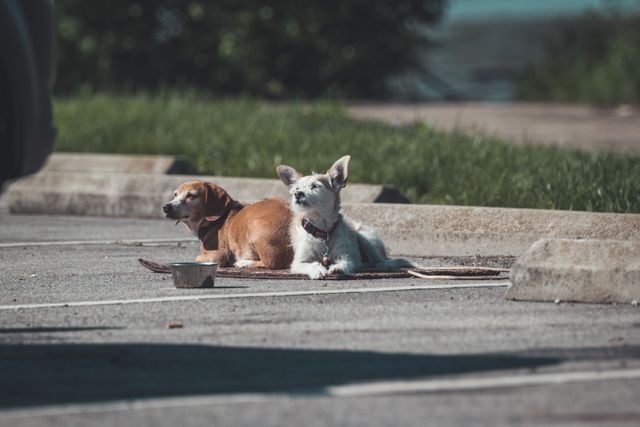
- Dogs communicate differently than humans and usually prefer affection that doesn't restrict their movement.
# Why Dogs Hate Hugs More Than You Think
The Surprising Truth About Hugging Dogs
For humans, hugs are one of the most common ways to show affection. We hug family members, friends, and loved ones to express comfort, trust, and emotional connection. Naturally, many dog owners assume their pets enjoy hugs in the same way.
However, canine behavior experts have discovered that many dogs do not view hugs as signs of affection. In fact, some dogs may find them uncomfortable, stressful, or even threatening.
This does not mean your dog dislikes you. Instead, it highlights an important difference between human and canine communication.
What humans see as affection, dogs may sometimes interpret as restriction or loss of control.
Understanding why dogs often dislike hugs can help owners build stronger, more respectful relationships with their pets.
Dogs Communicate Differently Than Humans
Physical Contact Has Different Meanings
Humans are highly social and frequently use physical touch to communicate emotions. Hugs, handshakes, and pats on the back all serve as positive social signals.
Dogs, however, evolved with different communication methods.
They rely heavily on:
* Body posture
* Facial expressions
* Tail movements
* Ear positions
* Scent signals
Because of this, wrapping both arms around a dog is not naturally part of canine social behavior.
Why Restraint Can Feel Threatening
In the dog world, being held tightly can limit movement and reduce escape options.
When a dog cannot move freely, it may experience discomfort because:
* It loses control of its surroundings.
* It cannot retreat if it feels nervous.
* It may interpret the action as dominance.
Many dogs prefer affection that allows them to maintain freedom of movement.
What Scientists Have Observed
Signs of Stress During Hugs
Researchers and canine behaviorists have studied photographs and videos of dogs being hugged.
Many dogs display subtle stress signals that owners often miss.
Common signs include:
* Turning the head away
* Showing the whites of the eyes
* Flattening the ears
* Lip licking
* Yawning
* Tensing the body
These signals indicate that the dog may be uncomfortable rather than relaxed.
Why Owners Misinterpret These Signals
Many people assume a dog sitting still during a hug is enjoying it.
In reality, the dog may simply be tolerating the interaction.
Tolerance is not the same as enjoyment.
A calm dog may remain motionless because it trusts its owner, not because it likes being hugged.
The Evolutionary Explanation
Wild Dogs Rarely Hug
To understand canine behavior, it helps to consider their ancestors.
Wild dogs and wolves do not greet each other with hugs. Their social interactions are very different from human expressions of affection.
Instead, they communicate through:
* Play bows
* Sniffing
* Body positioning
* Facial expressions
* Tail signals
A full-body embrace is uncommon in natural canine behavior.
Survival Depends on Freedom of Movement
Throughout evolution, dogs benefited from being able to react quickly to danger.
A hug restricts movement and can create a vulnerable feeling.
From an evolutionary perspective, allowing another individual to completely restrain you is rarely advantageous.
This instinct still influences many dogs today.
Not All Dogs Hate Hugs
Individual Personality Matters
While many dogs dislike hugs, some appear comfortable with them.
Several factors influence this reaction:
* Breed characteristics
* Early socialization
* Personality
* Past experiences
* Relationship with the owner
Some dogs learn to associate hugs with positive experiences and tolerate them well.
Dogs That Seek Physical Contact
Certain dogs genuinely enjoy close physical contact.
They may:
* Lean against people
* Sit on laps
* Sleep beside owners
* Rest their heads on shoulders
However, even these dogs may prefer these forms of affection over a tight embrace.
A dog that loves cuddling does not automatically love hugging.
How to Tell If Your Dog Is Uncomfortable
Reading Canine Body Language
Dogs often communicate discomfort through subtle signals before showing obvious distress.
Watch for:
* Looking away repeatedly
* Ears pinned back
* Tail lowered
* Stiff posture
* Excessive panting
* Lip licking
These behaviors suggest the dog may want more personal space.
Warning Signs That Should Never Be Ignored
In some cases, discomfort may escalate.
Signs include:
- Growling
- Snapping
- Showing teeth
- Attempting to escape
- Sudden freezing
These responses indicate the dog feels highly uncomfortable and should be given space immediately.
Better Ways to Show Affection
Affection Dogs Usually Prefer
Fortunately, there are many ways to express love that dogs typically enjoy.
Popular options include:
* Gentle petting
* Belly rubs
* Ear scratches
* Interactive play
* Walks together
* Positive reinforcement
These activities strengthen the bond between dogs and owners while respecting canine communication preferences.
Let the Dog Choose
One of the best approaches is allowing your dog to initiate physical contact.
For example:
- Sit near your dog.
- Offer a gentle hand.
- Observe its response.
- Continue if it seeks interaction.
- Stop if it moves away.
This gives the dog control over the interaction.
Choice often increases comfort and trust.
Why Children Need to Learn This
Kids Naturally Want to Hug Pets
Children often express affection through hugs because that is how humans commonly show love.
Unfortunately, dogs may not understand this intention.
This can lead to situations where:
* The child feels affectionate.
* The dog feels trapped.
* Stress levels increase.
Teaching children how dogs communicate is important for safety and animal welfare.
Safer Alternatives for Kids
Children can show affection by:
* Petting gently
* Playing fetch
* Offering treats with supervision
* Talking softly
* Spending quiet time together
These interactions are often more enjoyable for dogs than hugs.
Building a Stronger Relationship With Your Dog
Respecting Canine Preferences
A healthy relationship depends on understanding your dog's perspective rather than expecting it to behave like a human.
Dogs appreciate affection that aligns with their natural communication style.
This includes:
* Positive interactions
* Consistency
* Trust
* Respect for boundaries
When owners recognize and respect these preferences, dogs often become more confident and relaxed.
Love Is Not Measured by Hugs
Many owners worry that avoiding hugs means showing less affection.
The opposite is often true.
Choosing forms of interaction that make your dog comfortable demonstrates a deeper understanding of its needs.
For more information about canine body language and behavior, visit Dog Behavior Guide.
The best way to show love to a dog is not always the way humans show love to each other.
Conclusion
Many dogs dislike hugs more than people realize because hugs can feel restrictive, unnatural, and stressful from a canine perspective. While some dogs tolerate or even seem to enjoy them, many display subtle signs of discomfort that owners overlook.
Understanding canine body language helps us recognize these signals and respond appropriately. Respecting a dog's comfort zone is one of the most important ways to strengthen trust and deepen your relationship.
The next time you feel the urge to wrap your arms around your dog, consider a gentler alternative. A belly rub, a favorite game, or simply sitting together may communicate love in a way your dog truly understands.
Frequently Asked Questions
How long does pet grief usually last?
It varies from a few weeks to several months.
Sources
- Canine Behavior Studies
- Veterinary Behavior Research
- Dog Body Language Research