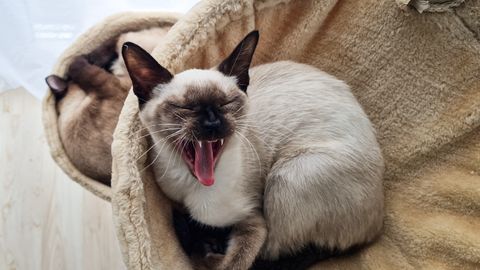
Why Cats Suddenly Sprint Around the House at Midnight
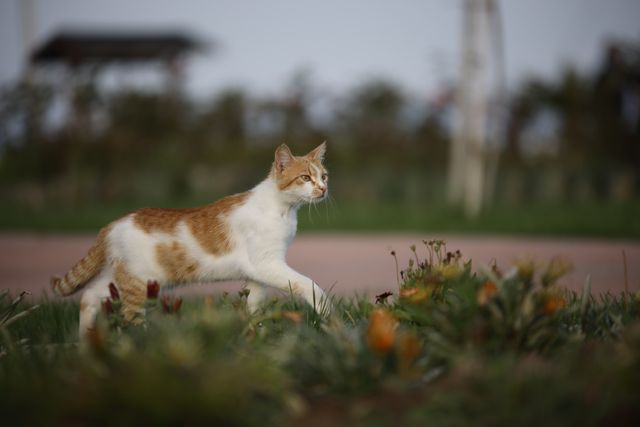
- Nighttime sprints are normal for many cats and usually reflect healthy energy release and natural instincts.
# Why Cats Suddenly Sprint Around the House at Midnight
If you've ever been startled awake by the sound of pounding paws racing across the floor at 2 a.m., you're not alone. Many cat owners have experienced the mysterious phenomenon of their seemingly calm feline suddenly transforming into a blur of fur and energy in the middle of the night. One moment the house is silent, and the next, the cat is sprinting from room to room as if chasing an invisible target.
These sudden bursts of activity are so common that they have earned a nickname among pet owners: the "midnight zoomies." While the behavior may seem random or even a little concerning, it is usually a completely normal part of feline biology.
To understand why cats race around the house at odd hours, it helps to remember that domestic cats evolved from highly skilled hunters. Unlike humans, who are primarily active during the day, cats are naturally crepuscular animals. This means they are most active during dawn and dusk, the times when many of their prey species are also active in the wild.
Even though today's house cats no longer need to hunt for survival, their instincts remain deeply embedded. As evening arrives and the household becomes quieter, many cats experience a natural increase in alertness and energy. The midnight sprint may simply be an expression of those ancient hunting instincts kicking into gear.
Energy accumulation also plays a significant role. Cats spend a large portion of the day sleeping, often logging between twelve and sixteen hours of rest. While this may look like laziness, it is actually a strategy inherited from wild ancestors that conserved energy for hunting. A cat that spends much of the day napping may suddenly feel the need to burn off stored energy once the environment becomes stimulating or when the household settles down for the night.
In many cases, the sprinting behavior resembles a hunting sequence. A cat may dash down a hallway, leap onto furniture, abruptly change direction, and disappear into another room. These movements mimic the bursts of speed and agility required to pursue prey. Even if there is no actual target, the cat's brain may be engaging in instinctive practice sessions that help satisfy natural behavioral needs.
Environmental stimulation can also trigger nighttime activity. A cat's senses are exceptionally sharp, particularly in low-light conditions. Sounds that humans barely notice, such as a small insect moving near a wall, distant outdoor animals, or noises from neighboring homes, may capture a cat's attention and trigger an energetic response. What appears to be random running may actually be a reaction to something the cat can hear, smell, or see that remains invisible to its owner.
Age can influence the intensity of zoomies as well. Kittens and young cats tend to experience these episodes more frequently because they possess higher energy levels and a stronger drive to explore their environment. As cats mature, the behavior often becomes less dramatic, although many adult cats continue to enjoy occasional bursts of high-speed activity throughout their lives.
Sometimes a cat's midnight sprinting is simply a sign of happiness and good health. Healthy cats require physical and mental stimulation, and running around the house can serve as a form of exercise. In households where cats spend most of their time indoors, these energetic episodes may help compensate for the lack of outdoor exploration and hunting opportunities.
Owners who find the nighttime activity disruptive can often reduce its frequency by providing more enrichment during the day. Interactive play sessions, puzzle feeders, climbing structures, and opportunities to chase toys can help channel a cat's energy into productive outlets before bedtime. A vigorous play session in the evening followed by a meal may encourage a cat to rest longer during the night.
While zoomies are generally harmless, sudden changes in behavior should not be ignored. If a normally calm cat begins displaying frantic activity accompanied by signs of distress, excessive vocalization, confusion, or other unusual symptoms, a veterinary evaluation may be appropriate. Medical conditions, anxiety, or age-related cognitive changes can occasionally contribute to altered behavior patterns.
For most cats, however, the midnight dash is simply another expression of their fascinating nature. Beneath the soft fur and cozy naps lies the heart of a predator designed for quick bursts of speed and intense focus. The living room may not resemble a wilderness, but your cat's instincts do not know that.
The next time you hear thunderous footsteps racing through the hallway long after bedtime, you can take comfort in knowing that your cat is not losing its mind. It is merely answering a call that echoes from thousands of years of feline evolution—a reminder that even the most pampered house cat still carries the spirit of a hunter.
Frequently Asked Questions
Should I be worried if my dog stares at me at night?
Usually not. It's often normal monitoring behavior.
Sources
- Feline behavior studies
- veterinary advice
- cat welfare research